
#MaconFleaFinds | Flim Fest Edition

Lights, camera, action! The Macon Film Fest is in town and Historic Macon’s Flea Market has some things that will make you camera (or sofa) ready for a movie watching marathon.

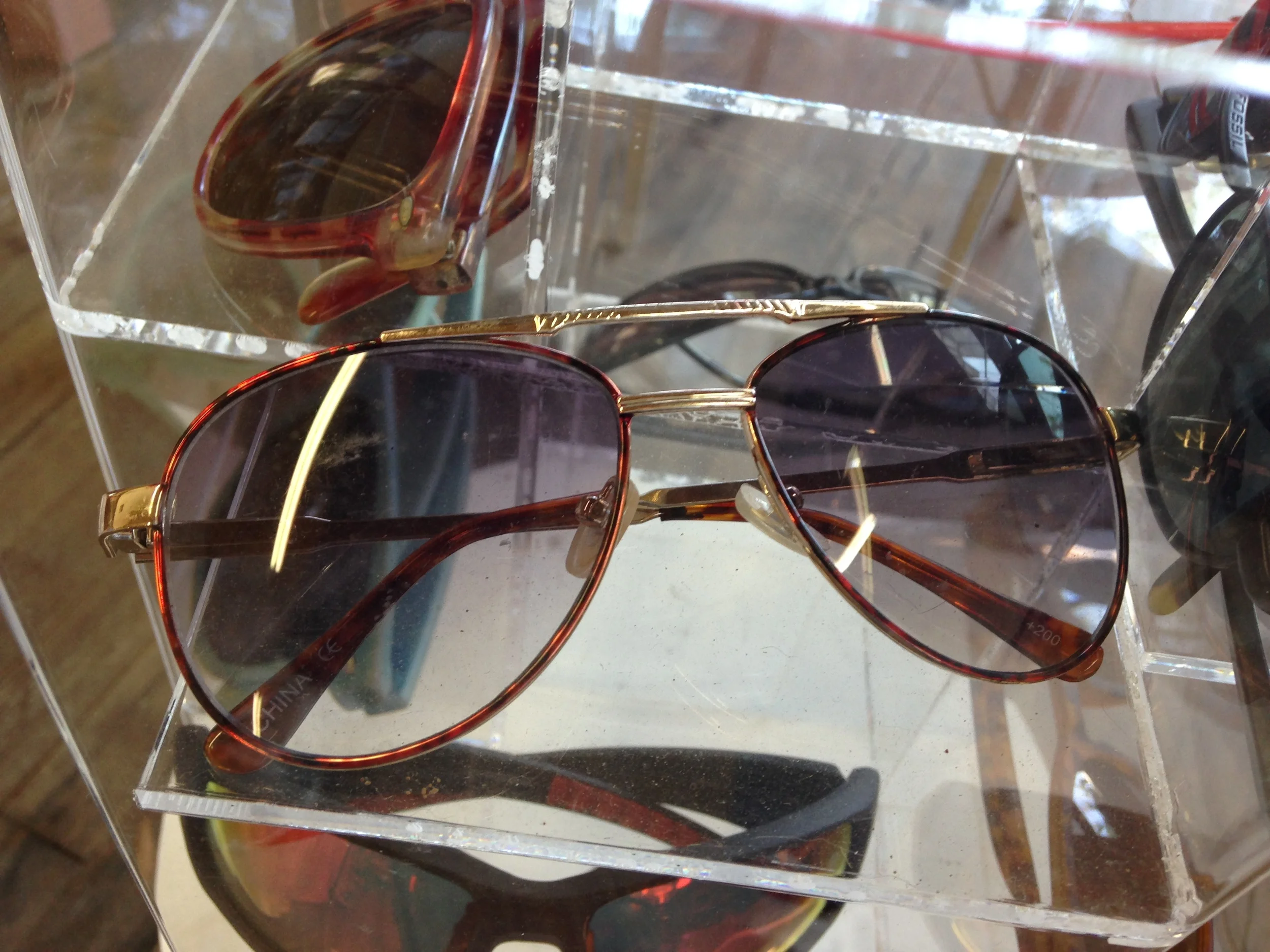
1. Look like a movie star at all the film screenings in some new shades…

2. …or with your new bohemian chic hobo bag.

3. Lewis Medlock (aka Burt Reynolds) probably wishes he had this raft when he was up the creek without a paddle.

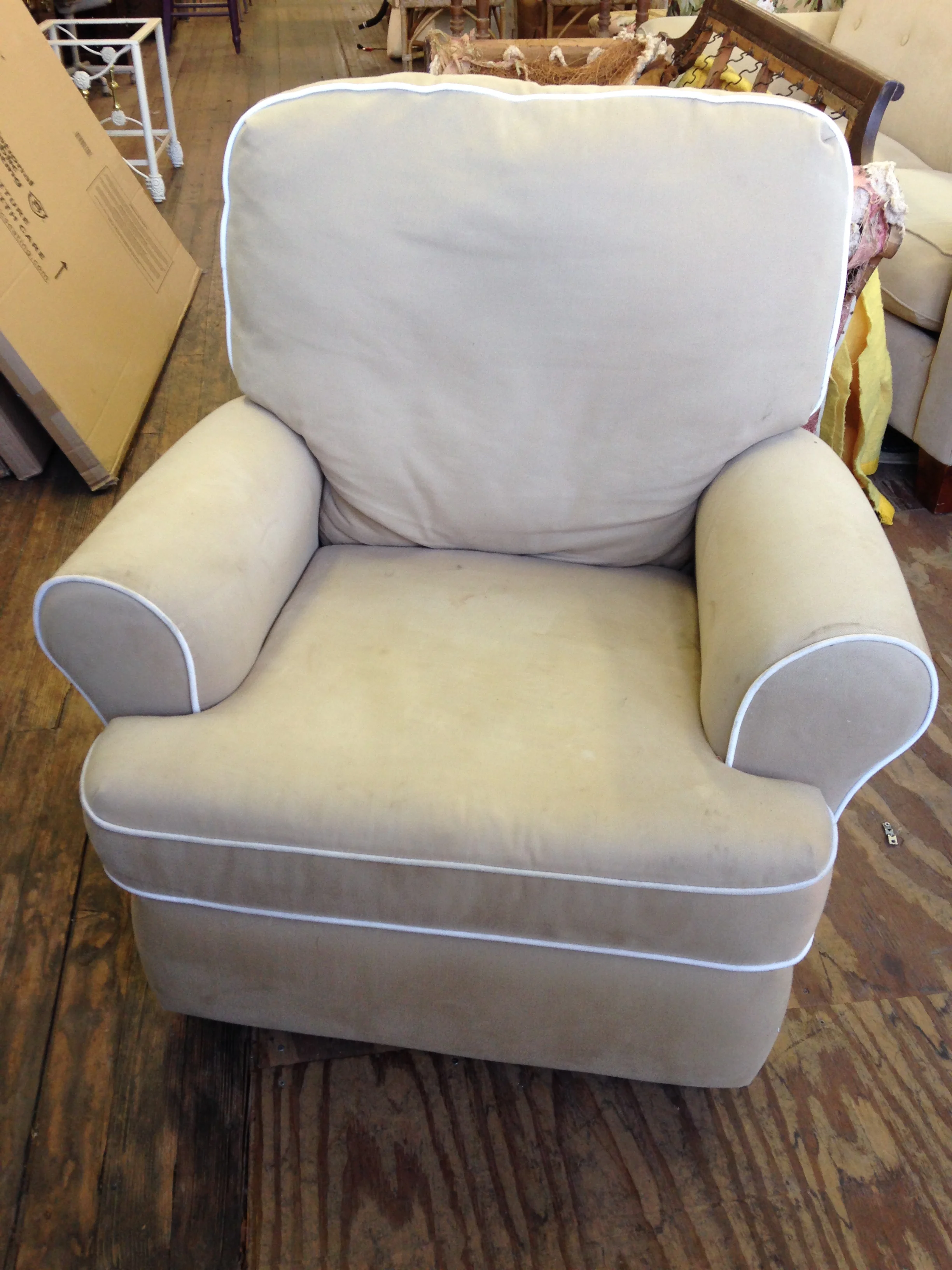
4. The Macon Film Festival has such a robust program there’s no way you can watch every film you want to see. Get settled down in this comfy couch or armchair and let the movie marathon ensue.
5. And don’t forget the snacks. This convenient wooden dish and dip set connects it all so you only have to make one trip from the kitchen to the living room.

You can find these items and so much more at Historic Macon’s Flea Market. The Flea Market takes place October 2-3, 2015 in the former Karsten-Denson Hardware Store building at 536 Third Street.

Also follow #maconfleafinds on Instagram and Twitter to see more items. Until next week, flea on!

#MaconFleaFinds | Top Five

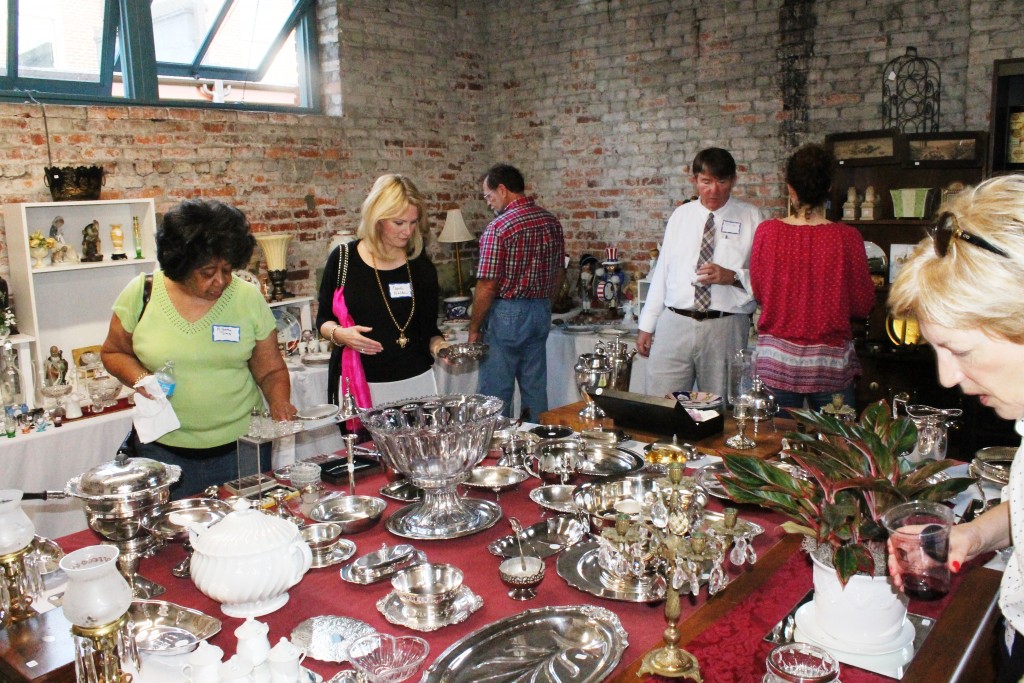
Historic Macon's annual Flea Market holds some real treasures -quirky and queer, rare and valuable, or practical and useful, there's something for everyone! Here at Historic Macon, we're providing weekly previews of some of the items that will go on sale October 2-3, 2015 at the former Karsten-Denson Hardware Store building (536 Third Street).

1.  Start your own glass (or quartz or jade or wooden) menagerie with these figurines. Tennessee Williams would be proud.

2.  Get cordial with these delightful purple glasses. Fill up your new glasses with a delicious honeysuckle cordial during your next cocktail party.

3.  I scream, you scream, we all scream for ice cream! Why not show off your love of ice cream by eating some out of these adorable ice cream bowls and matching spoons. How sweet!

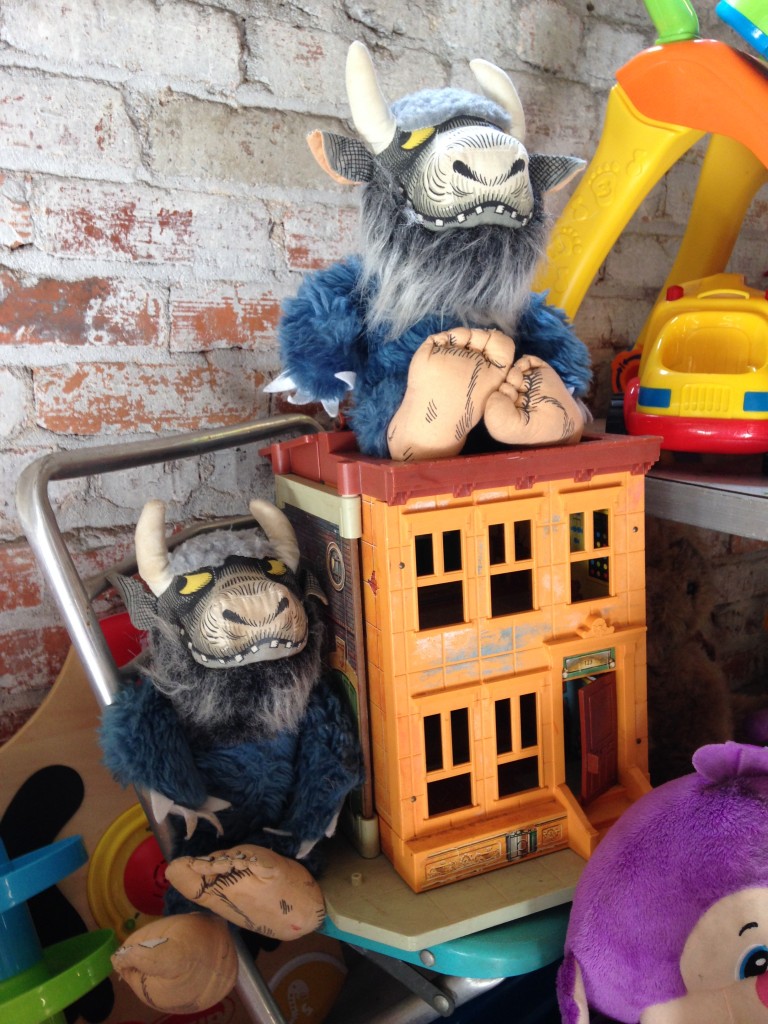
4.  Does your little wild thing need a few more friends? These two mischievous wild things are ready for a rompous.

5.  You may need to mooooooooove around some of your artwork to make way for this udderly cute cow silhouette.

Also follow #maconfleafinds on Instagram and Twitter to see more items. Until next week, flea on!

Porter House Eligible for Listing in the National Register of Historic Places

On June 15, Historic Macon received a letter from Georgia’s Historic Preservation Division stating the Porter House is eligible for listing in the National Register of Historic Places. This decision recognizes the house’s historical and architectural significance and makes it eligible for national and state preservation incentives.

In cooperation with HMF, Wesleyan College, and James Hyde Porter Charitable Trust, the Porter House was moved from its original location on Houston Road in November of 2013 to save it from demolition. Typically, structures that have been moved are not accepted to the Register, but the Porter House’s significance trumped the relocation.

James Hyde Porter and his wife Olive Swann Porter donated money to many educational and religious institutions. They also spent their wealth on a long trip to France in 1927 as well as constructing the house, which was completed by 1928. After Mrs. Porter’s death in August 1939, Mr. Porter moved to this house exclusively and began to give generously to local religious, civic, and educational facilities. In 1940, Mr. Porter gave $100,000 to Wesleyan College for the then new campus on Forsyth Road and paid for the construction of a new female dormitory, still known today as Porter Hall, on the Mercer University campus. Mr. Porter earned his wealth as Vice President of the Bibb Manufacturing Company.

Architecturally, the house is a direct result of the Porters’ trip to France in the 1920s. Like many wealthy individuals of their era, the Porters used their fortune for a European holiday, and their time “motoring through Normandy” inspired the design of the house.

Porter-House-3-web-225x300.jpg

Dunwody & Oliphant Architects of Macon created the original architectural specifications for the Porter House in early twentieth century. After the house’s move, Dunwody/Beeland Architects, Incorporation, the same firm that originally designed the house, oversaw the exterior reconstruction process.

According to Kim Campbell, HMF Preservation and Education Coordinator, “The Porters’ generous contributions to education have both local and state significance, and the Porter House is the only building associated with that period of greatest giving. Although the place, in the strict theoretical sense, will never be what it was prior to its move, it still evokes the personality of its original owner. Given this structure’s historical significance and unique architecture, it is worthy of both preservation and inclusion to the National Register.”

8 Reasons to be a Flea Market Volunteer

1. You get to scope out #maconfleafinds first.

Historic Macon has been holding a Flea Market for 38 years. People in Macon know that if they want to get rid of something (except for clothes), Historic Macon will take it. We collect items all year and we get some good stuff. I mean GOOD STUFF.

2. Then you get to purchase those #maconfleafinds.

Let’s be real, one of the major benefits of volunteering for the Flea Market is the opportunity to scope out what has been donated and then having the opportunity to buy a few of those things before the doors open to the public. Every Flea Market volunteer who works for 20 hours or more gets to shop at the volunteer pre-sale luncheon on Friday, October 2 (the day of the Preview Party). Volunteers have a $100 spending limit at this sale and none of the items are off limits (well unless they’re more expensive than $100....)

Not to mention, you get to attend the Flea Market Preview Party for free if you volunteer that evening.

3. The chance to make new friends.

There’s nothing quite like cleaning out boxes from a hoarder’s house that will bring you and someone you barely know closer together. Flea Market volunteers are in the trenches together sorting through donations, cleaning items, and pricing things to sell. This leads to some pretty entertaining moments, whether you’re knee deep in donated Tupperware or you find something you’re pretty sure someone meant to throw away. Plus, there’s always some kind of conversation starter at hand.

4. You’ve always wanted to appear on Antiques Roadshow or American Pickers.

Okay, so the Historic Macon Flea Market will not land you a spot on television. But you will see some pretty incredible antiques, collectibles, and everything in between. If you know a thing or two about fine china or vintage gas station signs, you can even impress your new Flea Market friends with your trivia. And hey, that might help you make a sale.

5.  Manual labor was never so much fun!

Historic Macon’s fearless Flea Market volunteers brave warm summer days to wade through boxes of donations, move furniture, and complete Flea Market donation deliveries. It is hard work but it’s fun work. Just think of it as your daily dose of exercise with your favorite new friends.

6. ANYONE can help.

Yes, some jobs at the Flea Market require some muscle but there are so many things that need to be done, that anyone can help. Not into picking up heavy furniture? Well we have plenty of silver to polish. Think you would rather lend us your eye for design? We always need help staging our inventory. After all, this is a sale! Whatever your talents, there is some task you can help with at the Flea Market

7. You might learn something.

The great thing about accepting donations all year long is that we have an incredibly diverse array of merchandise. From items purchased at Target to original works of art passed down in families, there are always interesting items to peruse. Often we receive donations that need a little research so that we can price them accordingly. You never know what will come through and there is usually someone around who knows something about it and likes to share

8. Your work makes our work possible.

The Flea Market is fun work but it can be hard at times. There is heavy lifting and you don’t stay clean on a typical day. But, all that work pays off because you’re raising money that makes Historic Macon’s mission possible. The Flea Market would not be possible AT ALL without the dedicated corps of volunteers who work diligently on the sale every week. In the past five years, these volunteers have raised $132,538.10. That is enough to fund a rehabilitation. Our Preservation Designer is currently working on a 2 bedroom, 2 bath house on Elm Street in Beall’s Hill with a budget this size.

Or think of it this way. On average, in the past five years, the Flea Market annually nets $26,500 from just ONE day and a three hour party. Now, that’s pretty cool.

If you want to become a Flea Market volunteer, you can come out to the former Karsten-Denson Hardware Store building at 536 Third Street in downtown Macon on Wednesdays from 9am to noon. If you can’t work on Wednesdays, contact Emily Hopkins at ehopkins@historicmacon.org or call 478-742-5084.

Tax Credit Break | 1259 Linden Avenue

The 1908 Sanborn Fire insurance map is the first map to show this building in place, previously numbered 523 Boundary St. An 1887 birds-eye map of Macon shows the location of the current home wooded with no buildings. The first listing of the address in the City Directory is in 1893-94, when it was occupied by John Higginson, a letter carrier. George Stripling, a traveling salesman, owned the house from 1911 until 1918, followed by salesman Thomas Sheridan and a physician named Hobbs in 1920. In 1925, the Bradford family occupied the home, only for it to be transferred to the Barfields by 1930. They stayed there until 1935. The Chew family then owned the home from 1939 until 1987, when it became vacant until 1991. That year the manager of the Macon Telegraph Fredrick Greer bought the house. Between 1992 and 1995, the house was owned by Frederick Drauneck, and sometime around 1996, it was purchased by Robert Kullman who held the house until the present owners purchased it in 2014. The home is an excellent example of late-Victorian vernacular housing for working families on the borders of the industrializing city of Macon that adapted to suit the needs of subsequent generations.

This is just one example of a building that is being preserved through use of the Georgia historic tax credit incentive program. Kim Campbell, Historic Macon’s Preservation and Education Coordinator, wrote this history in preparation for the building’s tax credit application. If you would to learn more about Historic Macon’s tax credit consultations, please call 478-742-5084 or email Kim at kcampbell@historicmacon.org.

15 Ways to Maintain Your Home with a Historic Macon Facade Loan

1. Paint the exterior of your home

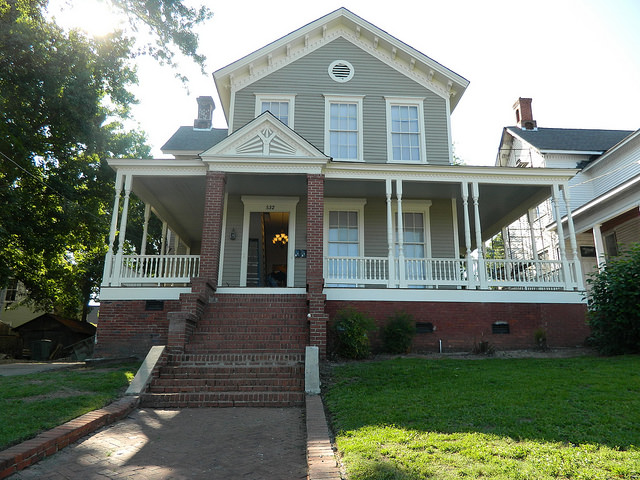
532 Arlington Place was once an abandoned building but with the help of facade loan, it now houses Mercer students and young professionals.

532 Arlington Place was once an abandoned building but with the help of facade loan, it now houses Mercer students and young professionals.

2. Repair and/or replace porch columsn

3. Repair stains, newel posts, and railings

4. Update decorative finishes

5. Repair porches and railings

6. Execute roof repairs, or....

7. ...Install a new roof

8. Repair historic windows

9. Replaced rotted exterior siding

10. Install, replace, or repair fences

11. Install permanent landscaping features (especially shade trees)

12. Repair exterior masonry

13. Apply to permitting fees of Certificate of Appropriateness and building permist from the City of Macon

14. Pay for professional design services by licensed landscape designers and architects

15. Pay for tax credit consulting for substantial rehabilitation projects

Historic Macon Foundation’s Façade Improvement Loan Program exists to enhance the exterior appearance of buildings within the College Hill Corridor. The program directly fulfills Historic Macon Foundation’s mission, “to revitalize our community by preserving architecture and sharing history.” These loans are possible with generous support from Knight Foundation. For more information contact Lauren Mauldin, Loan Fund Manager, at (478) 742-5084.

Tax Credit Break | Williams Wagon Works

WILLIAMS WAGON WORKS | 598 THIRD STREET

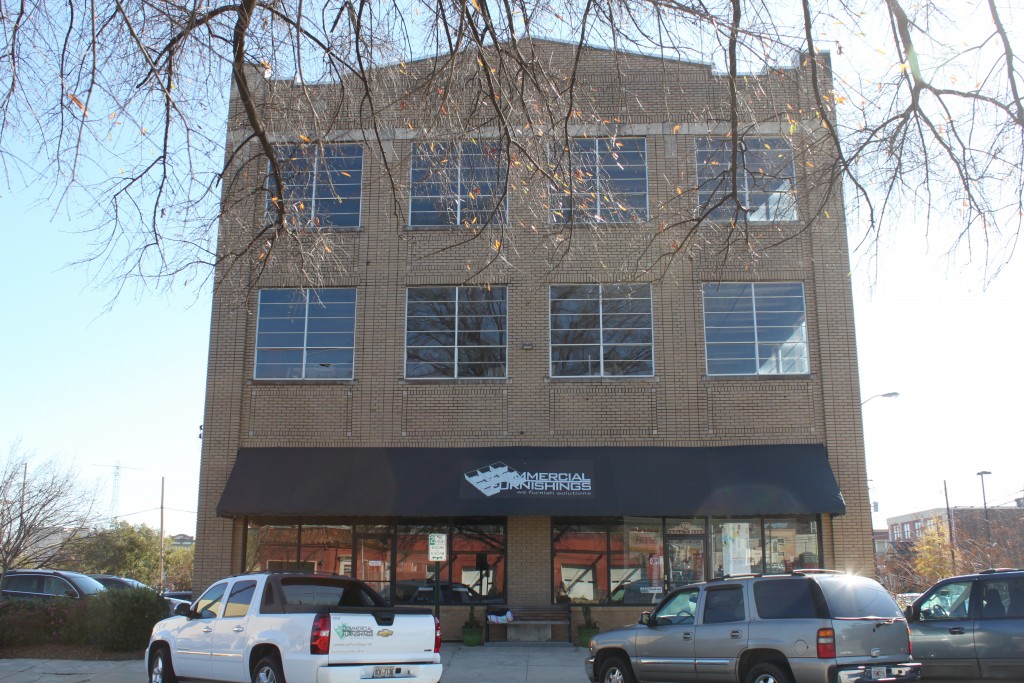
Williams Wagon Works, located at 598 Third St., is an excellent example of a commercial building that contributed to Macon's growth and prosperity in the early twentieth century. The lot that now contains Williams Wagon Works was originally two lots. The first was at the corner of Third and Plum St., and the second lot fronted Plum St. directly behind the first. Both lots contained frame dwellings until the Williams Wagon Works Plant was constructed on both lots in 1911. The factory was a one-stop-shop for all things related to wagons, buggies, and drays and was touted as the largest factory of its kind in the South. After 1922, with the growing popularity of the automobile, Williams Wagon Works closed its doors; however, A.S. Hatcher Co. vehicles took over the space in 1924. Variously known as A.S. Hatcher Co. vehicles, auto accessories, and hardware, this company continued to operate out of the building through 1981.

598 Third Street today (Photo credit: Michelle Garlington)

598 Third Street today (Photo credit: Michelle Garlington)

When constructed in 1911, each floor of the three-story building had a separate purpose in the construction process. The first floor was a woodwork and blacksmith shop. The second floor was a stock and show room for finished vehicles, and the third floor was a paint and trimming shop. The building retains this original open concept required for wagon manufacturing and later automobile sales. After 1981, office supply companies retained the open concept of the second and third floors for storage, while the first floor was adapted into office space using movable partitions. In 2002, various medical offices and records companies used the building in the same manner as the supply companies - cubicles on the first floor and open storage on the second and third floors. The relatively smaller number of uses in this building mean that this structure retains its original flooring, wooden beams, wood panel ceilings, and open floor plan. Rarely vacant in its 104 years, 598 Third St. is a testament to the industry and commerce surrounding transportation in Macon's history.

This is just one example of a building that is being preserved through use of the Georgia historic tax credit incentive program. Kim Campbell, Historic Macon's Preservation and Education Coordinator, wrote this history in preparation for the building's tax credit application. If you would to learn more about Historic Macon's tax credit consultations, please call 478-742-5084 or email Kim at kcampbell@historicmacon.org.

The Macon Hospital

THE MACON HOSPITAL

We typically think of hospitals as quintessentially modern places, but Macon has one hospital founded over one hundred years ago. The Macon Hospital, more commonly known as the Medical Center of Central Georgia or Medical Center, Navicent Health, was founded by a group of forward-thinking individuals in 1895.

In the late nineteenth century, people did not think of hospitals as places where one would find healing or cures. Many people actually detested hospitals as cesspools where society’s poorest members went to die. Going to the hospital to give birth, receive treatment, or have a surgical operation was a sign that you could not afford “proper” medical care at your home.

In 1890, several individuals, churches, and charities in Macon banded together to raise money for a local hospital. In contrast to the “common sense” of the era, these people saw hospitals as the future of medicine. This same period saw the increasing professionalization and specialization of physicians. By the 1890s, almost all physicians had been trained in medical schools and understood germ theory, much as we do today. They recognized that a dedicated hospital facility not only allowed them to treat patients with the latest equipment but would also reduce the risk of unnecessary infection.

It took five years, but the original Macon Hospital opened its doors on March 26, 1895 at what was originally addressed 818 Pine Street. The two-story brick building had most recently been the residence of James Calloway and had eight rooms. Between its opening and February 1, 1896, the Macon Hospital served 126 people and only lost eight patients. These statistics convinced many of the individuals who had been against opening the hospital.

The hospital soon grew busy enough to justify the construction of additional facilities around the original building. By 1908, the hospital had “modern” operating rooms, its own laundry facility, and segregated patient wards.

The original brick building no longer stands and the name has changed a couple times over the last fifty years, but the facility remains in operation today as the Medical Center, Navicent Health. It continues to serve residents of Macon and many surrounding areas and is the second largest hospital in Georgia.

-Kim Campbell, Preservation and Education Coordinator

Macon is Preservation

Macon is Preservation. Macon is preservation. MACON IS PRESERVATION.

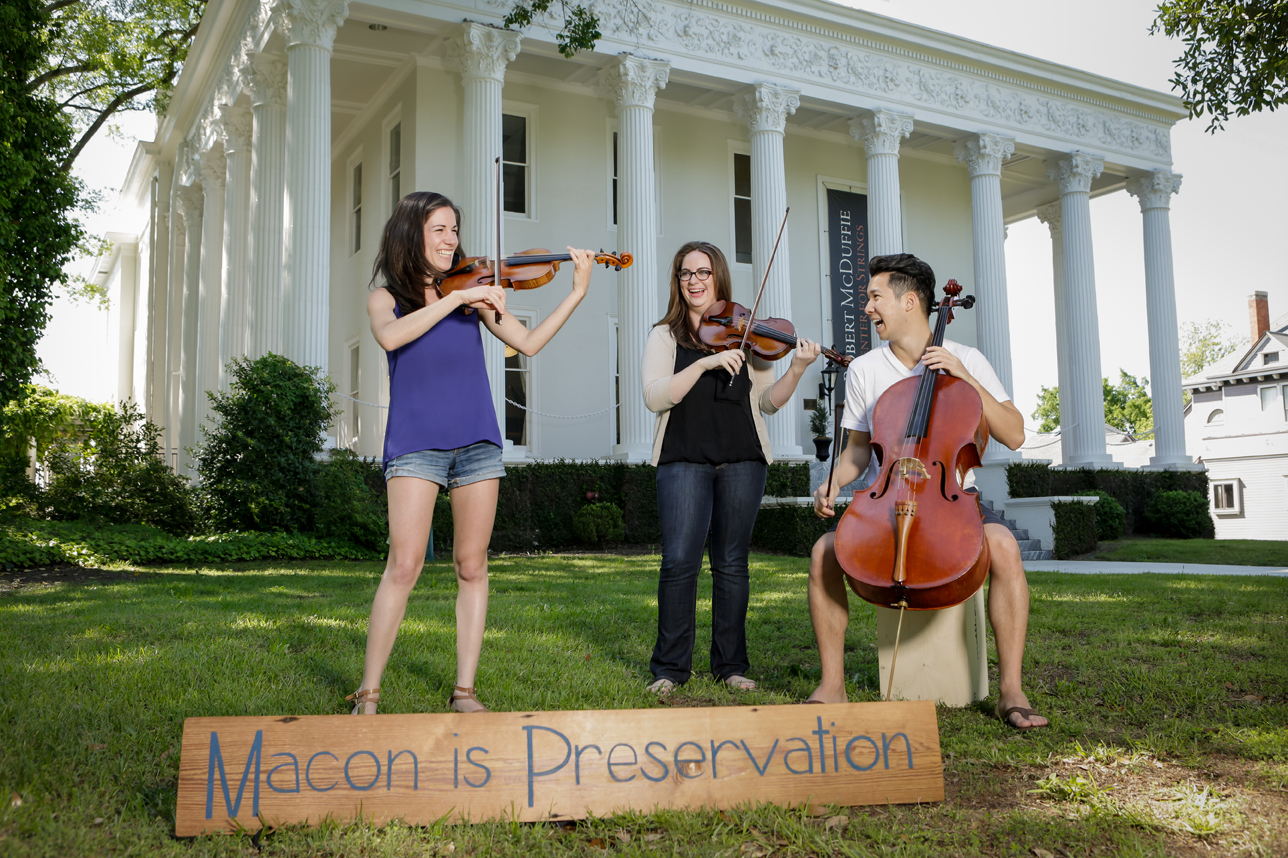
Students from the McDuffie Center for the Strings play a tune in front of the newly renovated Beall House.

Students from the McDuffie Center for the Strings play a tune in front of the newly renovated Beall House.

These three simple words tell the story of preservation in our community. Historic Macon is a leader nationally when it comes to community revitalization through preservation efforts. We’ve led the state the past two years in the number of historic tax credit applications submitted. Over the course of 30 years, we’ve rehabilitated over 150 properties in Macon’s historic districts and downtown. In the past 5 years alone we’ve restored 27 historic buildings and built 16 new homes. Building by building, neighborhood by neighborhood, Macon is being transformed and our historic structures are finding new uses.

These statistics are not just the work of Historic Macon, they’re backed by an entire community. That’s why our work is so successful, because Macon is preservation. You may be a preservationist and not even know it. That’s why Historic Macon decided to launch an advocacy campaign to show the diversity of preservation efforts in Macon and to show that everyone can be involved.

After the demolition of Tremont Temple and the Douglass House in 2014, Macon experienced a huge loss. These preservation defeats exposed the flaws in our local zoning and design codes. Further, these two cases showed buildings can be torn down despite the community fighting for their preservation.

The Macon is Preservation campaign is an opportunity for Historic Macon to show preservation efforts in a positive light. Preservation groups are often seen as reactionary rather than proactive when it comes to advocating for historic properties. With help from the Community Foundation of Central Georgia, Big Hair Productions, and Maryann Bates Photography, Historic Macon staff came up with the idea to show the diversity of preservation efforts that happen every single day in our community by creating a 30-second video and series of photographs.

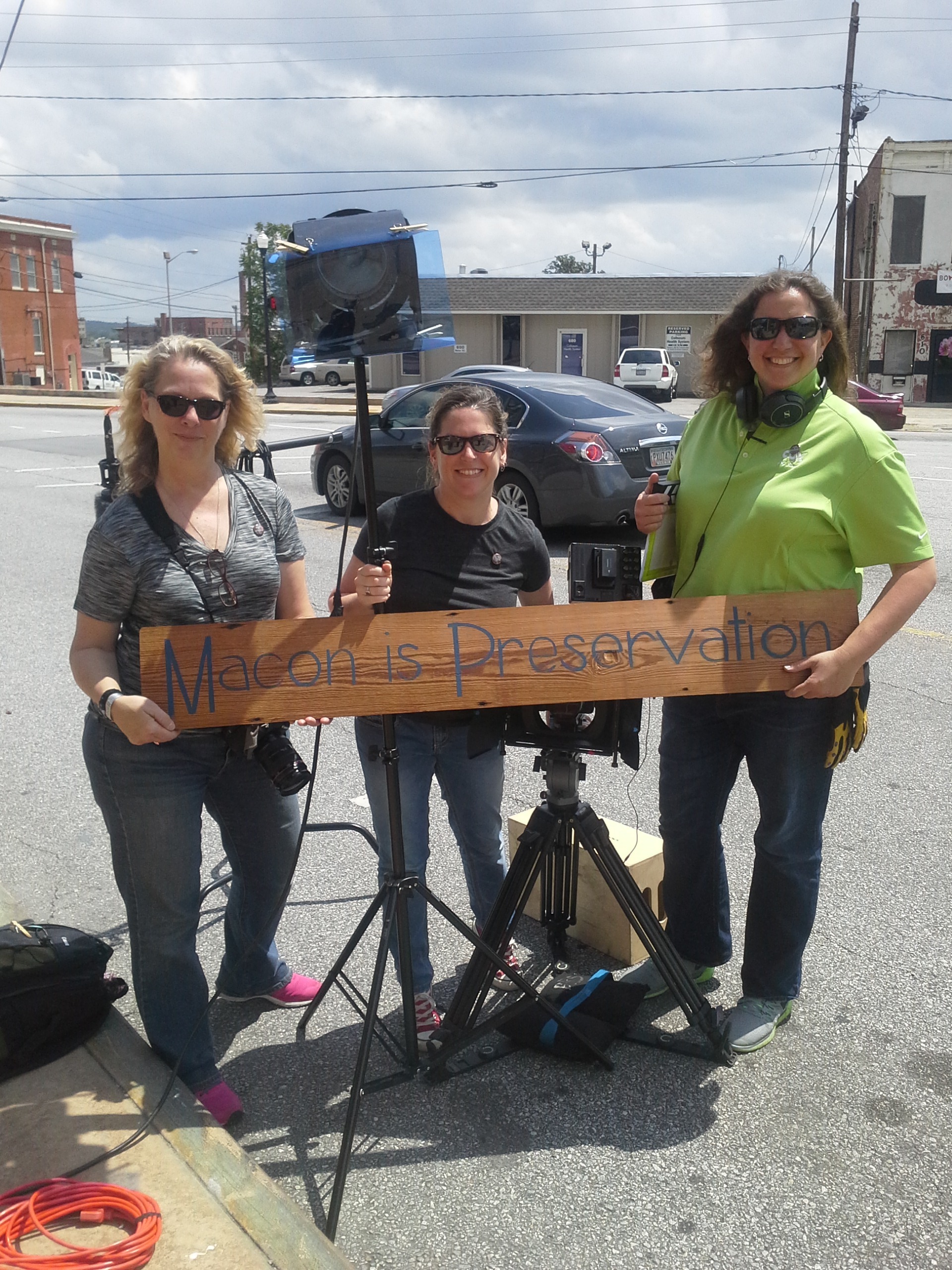
Tabitha Walker and Stephanie Shadden from Big Hair Productions and Maryann Bates from Maryann Photography take a break during a busy day of shooting.

Tabitha Walker and Stephanie Shadden from Big Hair Productions and Maryann Bates from Maryann Photography take a break during a busy day of shooting.

Macon is fortunate to have a wide array of incredible historic structures, from all periods and styles. This is something for Maconites to be proud of! As a staff, we started to think about those buildings that we pass everyday on the way to work, or the dog park, or to a ballgame or those buildings where we go to learn or grab a bite to eat. Then we began to think about the people and the stories behind those buildings. What we came up with was a list much too long to cover in a 30 second video but we think this PSA is a great start to rethinking what preservation looks like.

Preservation is all around us and this video tells that story. You’re participating in it everyday when you go to H&H, recently named the most iconic restaurant in Georgia. Seeing the Allman Brothers and Southern rock posters while enjoying Mama Louise’s famous fried chicken is an act of preservation in and of itself, you’re keeping history alive. When you drop your kids off at Alex II, Georgia’s first magnet school, you’re furthering the vision of Elam Alexander. Preservation isn’t just about buildings. It’s saving the structures that tell the story of our community and continuing to use them.

The Macon is Preservation campaign is more than this 30 second video that will premiere during our annual meeting on Tuesday, May 5. Check our Facebook page regularly to see #maconispreservation in action.

The H & H crew serves up some smiles for the Macon is Preservation campaign.

The H & H crew serves up some smiles for the Macon is Preservation campaign.

468 Second Street: Macon’s First Piggly Wiggly

Researched and Written by Lauren Mauldin

Before shopping carts and refrigerated cases became the norm in grocery stores, Piggly Wiggly completely revolutionized grocery shopping in 1916 with the first Piggly Wiggly store in Memphis, Tennessee. Clarence Saunders, owner of Piggly Wiggly, introduced the concept of “self-service,” allowing customers to select their own groceries instead of depending on a local grocer to collect a customer’s groceries. In fact, Piggly Wiggly introduced many conveniences we associate with grocery shopping today:

  • Shopping Carts

  • Check out counters

  • Individually priced items on open shelves

  • Full range of nationally advertised brands

  • Refrigerated cases for produce

Macon’s first Piggly Wiggly, and undoubtedly the earliest modern “self-service” grocery store in the city, opened at 460 Second Street on November 9, 1918.* This was also the second Piggly Wiggly to open in Georgia, with Columbus opening the first store in October 1918. The Macon franchise was so popular that it broke all Piggly Wiggly sales records by being the first store to have $10,000 in weekly sales. Apparently, Piggly Wiggly and its “self-service” shopping were so popular with Macon residents that a second Piggly Wiggly opened to “prevent crowding.” Piggly Wiggly remained at 460 Second Street until 1934 when it relocated to have more space. Despite its unassuming facade now, 468 Second Street is the site of the first Macon Piggly Wiggly and the introduction of modern grocery shopping in Macon.

*460 Second Street later changed to its current address 468 Second Street.

-Lauren Mauldin, Intern